Benefits of Massage

Benefits of Massage

Benefits of Massage: Stress Relief, Pain Control, Better Sleep, and Recovery

Tight shoulders, a sore lower back, a busy mind that won’t switch off, these are the everyday signals that the body needs a reset. The Benefits of Massage go beyond feeling pampered, they’re often about getting back to normal.

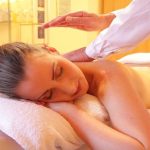
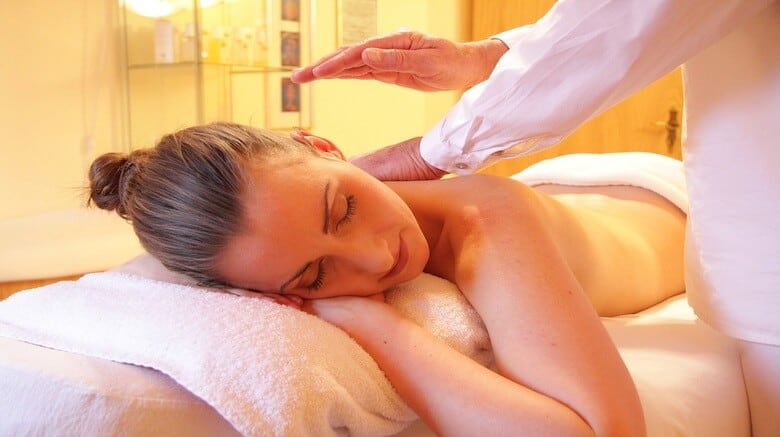
Massage is hands-on pressure and movement on muscles and other soft tissue, used to ease tension, improve comfort, and help the body relax. Many people book sessions for stress relief, pain control, better sleep, and workout recovery, especially when sitting, standing, or training leaves them tight and achy. If you want a deeper look at how a session can support day-to-day wellbeing, see experience the health benefits of a relaxing massage.

This guide keeps things practical and simple. You’ll learn what changes you might notice after one session, what can improve with regular visits, and how to match a massage style to your goal (relaxation vs. stubborn knots vs. recovery). Keep in mind, results can vary by person, massage type, and how often you go.

If you’re pregnant, on blood thinners, have a clotting disorder, severe osteoporosis, a fever, or a fresh injury, talk to a doctor first before booking. It’s also smart to tell your therapist what you’re feeling so pressure and technique stay safe and comfortable.

The real benefits of massage for your body and mind

The Benefits of Massage are easiest to understand when you think about what tension does to you day to day. Stress tightens muscles, pain changes how you move, and poor sleep makes everything feel heavier. Massage supports wellness by helping your body relax, easing common aches, improving how you move, and supporting recovery, but it does not replace medical care for injuries or ongoing conditions.

Here are the core benefits many people notice, with realistic expectations: relaxation (your body “unclenches”), pain relief (less tightness and soreness), better movement (easier range of motion), sleep support (a calmer body can settle faster), mood boost (you feel more grounded), and recovery (less heavy legs and post-workout stiffness).

How massage calms stress, lowers tension, and helps you reset

Stress is not just “in your head.” It shows up as tight shoulders, a clenched jaw, a stiff neck, headaches, and shallow breathing that keeps your chest feeling stuck. When life is busy, your nervous system can stay on high alert, even when you finally sit down.

Slow pressure and steady, reassuring touch can help your system shift toward a calmer state. Your breathing often gets deeper without you trying, your muscles soften, and your mind stops scanning for the next task. It is like turning down the volume on the day.

A simple example: a 60-minute session after a hard week gives enough time for your body to settle, then for the therapist to work through the areas that have been holding on tight. A 30-minute “tune-up” is great when you are short on time, like focusing on neck, shoulders, and upper back so you can feel normal again.

Why it can help with everyday aches and muscle tightness

Most “everyday pain” comes from overworked, under-moved muscles. Neck and shoulder tightness from screens, low back soreness from long sitting, and tired legs from standing or training all fit that pattern.

Massage can reduce muscle tension and improve comfort by working the soft tissue that feels knotted or stubborn. For deeper, more focused work on chronic tight spots, you can learn more about how deep tissue massage eases muscle tension.

After your session, small habits help the benefits last longer:

  • Hydrate so your body feels less sluggish.
  • Move gently (a short walk or easy mobility) to keep things loose.
  • Avoid going hard immediately if you feel tender, especially after firmer pressure.

Better circulation and easier movement, what people usually notice

Right after a massage, many people notice warmth in the area that was worked, plus that “lighter limbs” feeling when they stand up. That is partly because hands-on work supports blood flow in the tissues, and partly because tight muscles are not gripping as hard.

You may also find stretching feels easier. When muscles relax, joints often move more smoothly, and your normal range of motion can feel more available. Over time, consistent sessions can support mobility, especially if you pair massage with regular walking, basic strength work, and simple stretches you can stick with.

Pain, stiffness, and posture problems, where massage can make daily life easier

A lot of daily pain isn’t an “injury” so much as a pattern. You sit, you scroll, you hold stress in the same spots, and your body starts to move like it has a stuck handbrake. The Benefits of Massage show up here because skilled touch can calm overworked muscles, ease tender trigger points, and help stiff areas move more freely again.

It helps to know what you’re feeling:

  • Soreness from overuse often feels broad and achy, like the muscle is tired and heavy (common after long days, workouts, or lots of standing).
  • Trigger points feel more sharp and specific, like a small “knot” that can refer pain elsewhere (a spot in your shoulder that sends a zing up your neck).
  • Stiffness from sitting too long feels tight and restricted, like your hips and spine don’t want to straighten or rotate smoothly.

Before booking bodywork for pain, get checked first if you have any of these:

  • Numbness or tingling down an arm or leg
  • Sharp, shooting pain that travels
  • Sudden swelling, heat, or redness in a limb
  • Loss of strength or dropping things
  • Pain after a fall or accident

Neck and shoulder pain from screens and stress

If your chin creeps forward toward the screen all day, your neck muscles work overtime just to hold your head up. That’s forward head posture, and it often pairs with tight upper traps (the “coat hanger” muscles), a stiff upper back, and a chest that feels shortened. Stress adds another layer, shoulders rise, breathing gets shallow, and your jaw may clench without you noticing.

A therapist usually won’t only press on the sore spot. They may work the neck and upper back for support, the chest to help your shoulders sit back, and even the scalp because tension can build around the base of the skull and temples. Sometimes gentle work around the shoulder blades helps everything “sit” better.

Between sessions, keep it simple:

  • Set your screen so your eyes look straight ahead, not down.
  • Take micro-breaks every 30 to 45 minutes, stand up, roll your shoulders, and breathe slowly for 3 to 5 breaths.
  • Try gentle stretches, like a slow side neck stretch and a doorway chest stretch, no forcing.

Low back tightness and hip stiffness

Long sitting shortens the front of your hips, especially the hip flexors. When those stay tight, your pelvis can tip and your low back may feel like it has to do extra work. Add weak or sleepy glutes, and your lower back can feel “grabby” when you stand, walk, or bend.

Massage often helps most when it targets the areas that pull on the low back. That usually means the glutes, hip flexors, and hamstrings, not only the sore low back itself. Releasing these can make standing upright feel easier and walking feel smoother.

Pressure matters here. Too much force can make you brace, which defeats the point. Speak up about what feels productive versus what feels like you’re tensing. A good guide is “strong but breathable.” If you can’t relax your breath, it’s probably too deep.

Headaches linked to tight muscles

Some headaches, especially tension-type headaches, can be connected to tight neck, upper shoulder, and jaw muscles for some people. You might notice a band-like pressure, sore temples, or heaviness at the base of the skull after a long day.

Gentle work usually goes further than aggressive pressure. Slow techniques around the neck, shoulders, and jaw area can help, especially when you pair it with steady breathing and good hydration afterward.

If you get a new, sudden, severe headache, or headaches that change fast or come with other symptoms, get medical advice first.
Calling tool as required.{“url”:”https://blissspa.co.ke”,”search”:”sleep mood relaxation stress relief massage benefits deep tissue swedish hot stone”,”limit”:8}## Sleep and mood, how massage helps you switch off at night

Stress, poor sleep, and more pain can feed each other. When you’re stressed, your shoulders creep up, your jaw stays tight, and your breathing gets shallow. That tension can make it harder to fall asleep, or you wake up feeling like you never fully rested. Then the next day, everything feels louder, soreness feels sharper, and you have less patience for small problems. One of the underrated Benefits of Massage is how it can interrupt that loop by helping your body downshift before bedtime.

Timing matters. Many people do best with a session in the late afternoon or early evening, when work is done but your body still has time to settle before sleep. If you book too late, the travel home and post-session alertness can keep you awake. If you book too early, the day can pile tension right back on.

A calmer nervous system can make falling asleep easier

That sleepy feeling after a massage is common. It’s not magic, it’s your body finally getting a clear signal that it’s safe to let go. When tight muscles soften, your nervous system often shifts out of “on guard” mode. Your breathing slows without you trying, your heart rate can feel steadier, and your mind stops racing through tomorrow’s list.

Massage also helps because muscle tension and shallow breathing tend to travel together. A tight chest and neck can keep breaths short and quick. When a therapist works those areas gently, you’re more likely to breathe deeper, which tells your body it’s time to rest.

A simple wind-down routine after a massage helps the calm last into the night:

  1. Keep food light: go for a simple meal or snack, avoid heavy, greasy plates.
  2. Take a warm shower: it keeps you cozy and reinforces the “time to slow down” cue.
  3. Skip hard workouts: save intense training for another day, choose a short walk or easy stretching instead.
  4. Dim screens: lower brightness and avoid intense scrolling for the last hour.

Massage and mood, feeling lighter and more positive

When you carry tension, it’s easy to feel snappy or flat. Relaxing touch can support mood for some people because it gives your brain a break from constant “doing.” You’re not solving anything in the moment, you’re just breathing and letting your body be cared for. That can leave you feeling more grounded afterward, like your emotions have more space.

Keep expectations realistic. Massage can support relaxation and help you feel more settled, but it’s not a treatment for mental health conditions. If anxiety or low mood sticks around for weeks, affects your sleep most nights, or makes daily life feel hard, it’s smart to talk to a qualified mental health professional.

If you wake up stiff, what a regular schedule can do

One great session can help, but consistency is where many people notice lasting change. If you wake up stiff, it often means your muscles are re-tightening between visits because the pattern causing the tension is still there (desk posture, stress, training load).

A practical schedule looks like this:

  • Weekly: if you’re very tense, training hard, or rebuilding a better sleep routine.
  • Biweekly: a solid middle ground for stress, stiffness, and maintenance.
  • Monthly: helpful if your budget is tighter and you want a reset.

For some people, shorter, regular sessions (like 30 to 45 minutes) maintain results better than rare, long sessions, because you’re nudging the body back to relaxed more often.

Sports and workout recovery, faster bounce-back without overdoing it

Hard training is supposed to challenge you, not wreck you for days. One of the practical Benefits of Massage for runners, gym-goers, and weekend sports is how it can support recovery so you can get back to moving well, without feeling like your body is stuck in “repair mode” all week.

Massage works best when you match it to your timing. Pre-event sessions should feel lighter and more energizing, think circulation, gentle compression, and mobility work. Post-event sessions can be slower and recovery-focused, helping you calm down, soften tight tissue, and spot problems early before they turn into stubborn aches.

Less soreness, better range of motion, and fewer “nagging” tight spots

DOMS is delayed onset muscle soreness. It’s the achy, stiff feeling that often shows up 12 to 48 hours after a tough workout, a long run, or a new lift. It can feel like your muscles are “bruised” from the inside, even when nothing is actually torn.

Massage may help you feel better during DOMS in a few simple ways: it can help your muscles relax, reduce that heavy, tight sensation, and make movement feel smoother. Many people also notice they can stretch and squat a bit easier afterward because the body stops guarding.

That said, soreness can still happen. A good session doesn’t erase the training effect, it helps you cope with it. Think of massage like shaking out a tangled rope, it doesn’t replace the rope, it just helps it lie flat again.

To recover faster, massage needs the basics to back it up:

  • Sleep: your body does a lot of repair work at night.
  • Food: you need enough protein and carbs to rebuild and refuel.
  • Hydration: dehydration can make you feel extra stiff and drained.

If you want a more stretch-focused style that supports range of motion, Thai massage for sports recovery and flexibility can be a solid option, especially when your hips, calves, or upper back feel locked up.

Deep tissue vs sports massage, what is the difference?

Deep tissue massage is usually slow and focused. The therapist spends more time on specific tight bands and “sticky” areas, often using steady pressure and fewer sweeping strokes. It’s common when you have ongoing tightness, like a cranky hip flexor or a stubborn upper back knot from lifting.

Sports massage is goal-based. It’s chosen and adjusted based on what you’re doing and when you’re doing it. Before a race or match, it’s often lighter and faster to wake up muscles. After, it can be slower, aimed at easing soreness and restoring comfortable movement.

One important rule: “deep” should still be within tolerable pain. If you’re holding your breath, clenching your fists, or tensing your legs to escape the pressure, it’s too much. The best work feels strong but manageable, and you can still breathe.

When massage is not the right move for an injury

Massage isn’t the answer for every pain, especially when your body is sending clear warning signs. Skip the session and get medical advice if you have:

  • Swelling, heat, or spreading redness
  • New bruising you can’t explain
  • Suspected tear (a pop, sudden weakness, or loss of function)
  • Severe pain that doesn’t ease with rest
  • Fever or feeling unwell
  • Sudden calf pain, especially with swelling or warmth (don’t ignore this)

Massage can still be helpful later in rehab, once the injury is assessed and the acute phase has settled. At that stage, the right approach can support comfort, gentle mobility, and a safer return to training.

Choosing the right massage style, and how to get the most benefit from each session

The Benefits of Massage show up faster when your session matches your goal. If you want your mind to quiet down, you need a different approach than someone trying to loosen a stubborn knot, or recover from heavy training. Think of massage styles like tools in a toolbox, the right one makes the job easier, and the wrong one can feel like hard work.

A quick tip before you book: decide on your top priority (relaxation, pain relief, or recovery), then be ready to describe where you feel it and how it affects your day. That simple clarity helps your therapist choose the best techniques, pressure, and pacing.

Quick guide to popular massage types and what they are best for

Here’s a scannable guide to common options, with one clear “best for” and one caution each:

  • Swedish massage: Best for full-body relaxation, stress relief, and first-timers who want lighter to medium pressure; caution: if you want knot-focused work, say so because it can feel too gentle otherwise.
  • Deep tissue massage: Best for stubborn tight spots, chronic tension, and postural aches when you want slower, focused pressure; caution: too much pressure can trigger soreness, bruising, or muscle guarding, so keep it “strong but breathable.”
  • Hot stone massage: Best for deep relaxation and easing tight muscles without intense pressure because heat helps tissue soften; caution: avoid or adjust if you have heat sensitivity, reduced sensation, or inflammation.
  • Aromatherapy massage: Best for stress, mood support, and sleep wind-down when you respond well to soothing scents; caution: essential oils can irritate skin or trigger headaches, mention allergies or asthma.
  • Hot oil massage: Best for dry skin, calming touch, and a cozy, slow-paced session that helps you switch off; caution: hot oil can feel uncomfortable if you overheat easily or have sensitive skin, ask for warm, not hot.
  • Foot massage: Best for tired feet, long days of standing, travel fatigue, and overall relaxation through focused work on the feet and lower legs; caution: skip deep pressure if you have foot injuries, swelling, or nerve pain, and speak up fast if anything feels sharp.

If you’re still unsure, look at the full menu and choose based on your goal, not the trend: professional massage therapy in Nairobi.

Before your appointment, share these details to stay safe and comfortable

A great session is not about “toughing it out.” It’s about the right input, in the right places, at the right intensity. Tell your therapist what they need to know, even if it feels small.

Share these details before the massage starts:

  • Allergies and sensitivities (scents, oils, nuts, lotions), especially if you want aromatherapy or hot oil.
  • Pregnancy (or if you might be pregnant), so positioning and techniques can be adapted.
  • Injuries, including sprains, strains, or anything that feels unstable.
  • Surgeries (recent or past), plus any areas that still feel tender or numb.
  • Sensitive areas and boundaries (for example, you prefer no abdominal work or you want the glutes avoided).
  • Pressure preference, and what “deep” means to you (some people mean firm, others mean intense).
  • Medical conditions like high blood pressure, diabetes, varicose veins, skin issues, clotting concerns, or nerve symptoms.

During the session, keep checking in with yourself. If the pressure makes you hold your breath, it’s too much. If something feels zingy, burning, sharp, or numb, say it right away. You can ask for changes anytime, more or less pressure, slower pace, more time on one area, or skipping a spot completely.

What to wear? Wear something easy to change out of. You’ll undress to your comfort level and you’ll be draped with a sheet or towel. If you’re doing a foot-focused session, loose trousers make it easier.

Tipping: in Nairobi, tipping is usually appreciated for good service but not required. If you’re not sure what’s normal at your spa, ask reception.

Aftercare that makes the benefits last longer

Your session does not end when you stand up. Aftercare is how you turn a good massage into longer-lasting relief.

Right after, keep it simple:

  • Drink water over the next few hours, especially after firmer work.
  • Eat a light, balanced meal (protein plus carbs) so you don’t crash.
  • Take a warm shower to stay relaxed and reduce that “chilled” feeling.
  • Do gentle stretching or a short walk, just enough to keep movement easy.
  • Avoid heavy lifting for a few hours, give your tissues time to settle.
  • Sleep a bit earlier if you can, recovery is where the magic sticks.

Mild soreness can be normal after deep work, like post-workout tenderness. Severe pain, sharp symptoms, spreading numbness, or pain that ramps up fast is not normal. If that happens, stop self-treating and get medical advice.

To get more value over time, track results in one line after each visit: what felt better, what still feels stuck, and how you slept that night. That small habit helps you and your therapist fine-tune the next session.

Conclusion

The Benefits of Massage come down to a few real-life wins that add up fast: you feel calmer, your muscles soften, everyday aches ease, sleep can come easier, your mood feels steadier, and workouts don’t leave you stiff for days. The best results usually happen when the style matches your goal, the pressure stays “strong but breathable”, and you keep a simple routine instead of waiting until you’re miserable.

If you’re not sure where to start, book one session and treat it like a test run. Pay attention to how your body feels for the next 48 hours, your sleep that night, how you move the next morning, and whether that “stuck” area loosens or stays guarded. Then decide on a schedule that fits your life, weekly when you’re very tense, biweekly for steady progress, or monthly for a reset.

If anything feels off, trust the signals. Red flags like numbness, tingling, sharp shooting pain, sudden swelling or heat, fever, unexplained bruising, or pain after a fall deserve a clinician’s advice before more bodywork.

Thanks for reading, if you want help choosing the right session, ask a question or book an appointment and start feeling the difference this week.