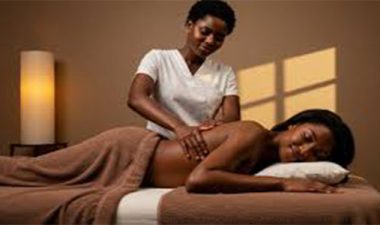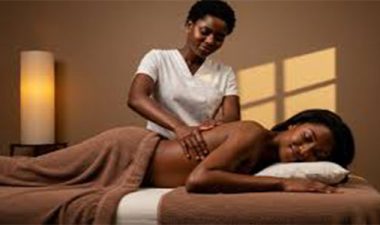
Searching Massage Near Me usually happens for a simple reason, you’re tired, sore, stressed, or trying to bounce back after workouts. The hard part isn’t finding options, it’s knowing who to trust with your body and your time.
In Nairobi, you’ll see everything from quiet, professional spas to places that don’t feel clear or safe. This guide gives you a simple plan to choose a skilled therapist, spot red flags fast, and book with confidence. It also helps you match the right style to your goal, whether you want pure relaxation or help with stubborn knots (for example, deep tissue massage for chronic pain).
You’ll also learn what fair pricing looks like, what questions to ask before you pay, and what a proper session should include, from hygiene to privacy to clear communication about pressure. If it’s your first time, you’ll know what to expect. If you get massages often, you’ll have a quick checklist to keep quality high every time.
What “massage near me” should really mean, location, timing, and the right fit
When you type Massage Near Me, “near” should mean more than a pin on a map. It should mean you can book easily, arrive without stress, walk into a clean space, and get a therapist who matches what your body needs today. The right fit is the one that saves you time, feels safe, and gives you results you can actually feel tomorrow.
Here’s how to make “near me” work in real life, without wasting money on the wrong session.
Start with your goal, pain relief, stress relief, or recovery
Your goal decides the best massage choice, the pressure, and even the setting. A massage that helps you sleep may be the wrong one for stubborn shoulder knots, and the “strongest” massage is not always the most helpful.
Use simple if-then thinking:
- If you have neck pain from desk work, then choose a session that targets upper back, neck, and shoulders with steady, focused pressure (often a deep tissue style, but it should still be controlled, not brutal).
- If you feel mentally overloaded and wired, then choose a calming style with lighter pressure, slow rhythm, and a quiet room (think relaxing massage and aromatherapy).
- If you’re dealing with sports soreness, then choose recovery-focused work that improves circulation and mobility, plus stretches when needed.
- If your main goal is better sleep, then pick a gentle session later in the day, avoid overly intense pressure, and keep your evening simple afterward.
It also helps to match the provider type to your comfort needs. A spa often wins for privacy, a predictable routine, and a fully relaxing environment. A wellness center can be great if you want a more clinical feel or you’re combining treatments. An independent therapist can be a good fit if you already trust them and want flexibility, but only if their professionalism is clear.
Get medical advice first if you have new sharp pain, a recent injury, fever, or any numbness or tingling. Massage should support recovery, not mask a problem that needs treatment.
Spot the difference between a professional spa and a risky listing
Search results can look convincing, so use a quick credibility filter. A legit spa usually looks “boringly clear” in the best way.
Signs you’re dealing with a professional business:
- A clear service menu with descriptions, like these Spa and Massage Services in Nairobi
- Transparent pricing and session durations (no mystery fees)
- A real address, clear location details, and reliable contact options
- A proper booking process (WhatsApp or form is fine, as long as it’s consistent)
- Strong hygiene signals (fresh linens, clean rooms, therapists who wash hands)
- Professional communication (answers your questions, no weird pressure)
Red flags that should make you scroll past:
- Vague prices like “DM for cost” with no range
- No address, or “we come anywhere” with no business details
- Pressure for cash only before you’ve agreed on the service
- Unclear services, or changing details mid-chat
If you feel rushed or confused before you book, you’ll likely feel worse during the session.
How far is “near” in real life, travel time beats distance
In Nairobi, 15 minutes can be near, and 5 kilometers can be far. Think in minutes, not kilometers. The goal is to arrive calm, not already tense from traffic and parking drama.
Before you book, do a fast reality check:
- Peak traffic: If you’re booking after work, plan extra time (or pick a quieter slot).
- Parking: If parking is hard, your shoulders will be up before the massage starts.
- Security: Choose places where you feel comfortable entering and leaving, especially in the evening.
- Your schedule: If you’ll be checking your phone every 2 minutes, shorten the session or book a different time.
A good rule: if the travel stress cancels the relaxation, it’s not “near” enough. Choosing a calmer time and a style that fits your goal (for example, Benefits of Relaxing Massage) usually gives you better results than chasing the closest option on the map.
Quick scroll checklist (use this while comparing results): clear menu, clear prices, real location, easy booking, clean photos, professional tone, and a massage style that matches your goal.
Choosing the best massage type for your body and budget
When you search Massage Near Me, it’s easy to default to “full body, 60 minutes” and hope for the best. A smarter move is to match the massage style to what you want to feel after, then choose a session length that fits your budget. The right choice should feel clear, safe, and worth repeating.
Think of massage like footwear. A soft slipper helps you rest, a running shoe supports performance, and a work boot protects you when things are heavy. Your body needs different support on different days.
Swedish and aromatherapy, the go to choice for stress and better sleep
Swedish massage is usually the most beginner-friendly option. The pressure is light to medium, with long, gliding strokes that calm your nervous system and help your body “exhale.” If you’ve been tense from work, traffic, or too much screen time, this is the style that often helps you feel human again.
Aromatherapy is often paired with Swedish techniques. The scent can make the room feel calmer and help your mind switch off, which is why many people book it when sleep has been poor. That said, scent is personal. If you’re sensitive to fragrances, get headaches, or just don’t like strong smells, ask for unscented oil (or a very mild option) before the therapist starts.
Best for: stress relief, light muscle tension, first-timers, better sleep routines.
Avoid if: you want focused work on deep knots, or you know fragrance triggers headaches or allergies.
Afterward, you’ll likely feel looser and a bit dreamy, like your body has turned the volume down. Some people also feel thirsty or sleepy, so plan a calm evening if you can.
Deep tissue, when you want real muscle work (and what soreness is normal)
Deep tissue massage is for when your muscles feel like they’ve been gripping all week. The therapist works slowly and firmly, spending more time on tight zones like shoulders, upper back, hips, glutes, and calves. It’s a common pick for desk posture pain, stubborn knots, and post-workout recovery when your body feels “stuck.”
A key point: pain is not the goal. You might feel a “good hurt,” like a strong stretch, but it should still feel controlled and safe. Sharp pain, numbness, or a feeling of wanting to hold your breath is a sign to speak up.
To get the best results, communicate in simple terms:
- “That pressure is good, keep it there.”
- “Same pressure, but slower.”
- “Please reduce pressure by 20 percent.”
- “That spot feels sharp, can you work around it?”
Best for: chronic tightness, knots, recovery after training, targeted problem areas.
Avoid if: you bruise easily, you’re very sore already, or you only want relaxation.
It’s normal to feel tender the next day, similar to how you feel after a tough workout. Gentle movement, a warm shower, and hydration usually help. If you feel wiped out, that’s also common, your body just did a lot of work.
Hot stone and hot oil, warmth that helps tight muscles let go
Heat can make massage feel easier on the body. Hot stone therapy uses warmed stones to bring heat into the muscles, helping them relax so the therapist can work without needing constant heavy pressure. Hot oil massage is similar in feel, the warmth helps your tissues soften, and the glide can feel deeply comforting when you’re stiff or stressed.
Temperature control matters. A good therapist should check the heat before placing anything on your skin and keep checking in during the session. You should feel warmth, not a “too hot to tolerate” burn.
Be cautious with heat if you have strong heat sensitivity, certain skin conditions, reduced sensation, or health concerns where heat may not be advised. If you’re unsure, ask for a lower temperature or skip heat and choose a standard relaxing style.
Best for: tight muscles that respond well to warmth, people who dislike intense pressure, cold-weather stiffness.
Avoid if: heat triggers discomfort, you have poor heat tolerance, or your skin reacts easily.
Afterward, many people feel melted and calm, with fewer “guarding” muscles, especially around the neck and back.
Foot massage and targeted sessions, when you do not need a full body massage
Sometimes you don’t need a full reset, you need quick, focused relief. A foot massage can help if you stand all day, walk a lot, or wear heels. It can also help desk workers, because long sitting often tightens hips and calves and affects the feet more than people expect.
Targeted sessions (like back, neck and shoulders, or legs only) are practical when time and budget are tight. Shorter sessions are often cheaper, faster, and easier to fit into a busy day, yet still give a noticeable difference.
For better results, keep it simple afterward: drink water, do light stretching, and take a short walk to keep circulation moving. Some people also like to pair focused massage days with add-ons such as herbal therapy, singing bowl therapy for a calmer headspace, or special baths when they want to relax without deep pressure.
Best for: people on their feet, desk workers, quick relief, first-time visits on a budget.
Avoid if: you need full-body relaxation, or your pain is widespread and you want a complete session.
How to compare massage places fast, reviews, hygiene, and therapist skill
When you search Massage Near Me, you’ll see a lot of options that look similar at first glance. The quickest way to choose well is to narrow your list like you’re hiring someone for an important job, because you are. Your body will notice the difference between “available” and “skilled.”
Use this simple process to cut through the noise:
- Shortlist 3 places with clear services, pricing, and location details.
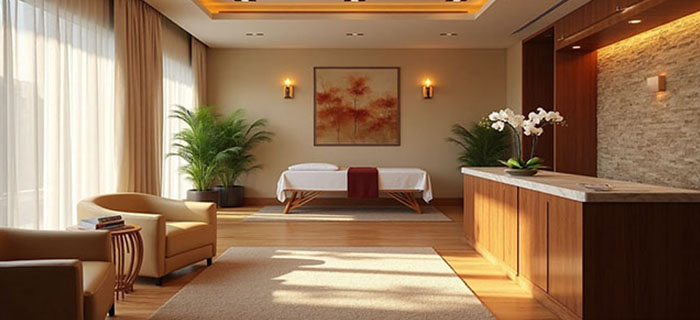
- Scan photos for real treatment rooms (not just stock images). Look for tidy floors, clean beds, fresh linen, and soft lighting that feels calm, not chaotic.
- Read recent reviews (last 1 to 3 months if possible), then decide who feels consistent.
- Message or call with a few questions before you pay. The way they answer tells you a lot.
Reading reviews the smart way, look for patterns, not perfect ratings
Perfect ratings can be real, but they can also be noise. What you want is repeatable quality: the kind of place that gives most people a clean room, a respectful therapist, and the pressure they asked for.
As you read, focus on patterns in four areas:
- Consistency: Do people describe the same good experience (quiet room, therapist checks pressure, time is respected), or is it random?
- Cleanliness: Look for mentions of fresh linens, clean towels, and a room that smells clean (not heavily perfumed to hide something).
- Professionalism: Notes about polite staff, clear boundaries, and a therapist who explains what they’re doing are strong signs.
- Problem handling: One bad review isn’t always a deal-breaker. The key is what happens next. If several people mention the same issue (rushing, dirty rooms, surprise charges), believe them.
Be skeptical of one-line reviews like “Best massage ever” with no detail. Also watch for suspicious repeats, like identical wording across many reviews or lots of reviews posted in a single day.
A quick trick: pick two or three “middle” reviews (not the best, not the worst). Those usually tell the most honest story.
Questions to ask before you book, pressure, rooms, shower, and timing
A professional place won’t get annoyed by simple questions. In fact, good therapists prefer clients who communicate clearly because it leads to better results.
Copy and paste these questions when you’re comparing options:
- Are your therapists trained and certified? (Ask what training they have, and how long they’ve practiced.)
- How long is the session, and how much is hands-on time? (Some places include consultation and changing time inside the 60 minutes.)
- Can I choose pressure (light, medium, firm), and will the therapist check in during the massage?
- Do you have private rooms and a quiet environment? (If the room is noisy, your body stays on alert.)
- Is there a shower available, and is it private? (Useful after oil-heavy treatments.)
- What should I wear, and do you provide disposable underwear or towels for draping?
- What time should I arrive? (A good rule is 10 to 15 minutes early.)
- What’s your late arrival policy? (Do you lose time, or is there a grace period?)
- What’s your rescheduling and cancellation policy? (Especially if your workday changes fast.)
If you’re considering something more active and skill-based, ask who is experienced with stretching techniques. For example, Thai massage services in Nairobi require good control and communication, not just strength.
Hygiene and safety basics you should expect every time
Hygiene isn’t a “bonus.” It’s the baseline. Even a great therapist can’t make up for a room that feels unsafe.
Here’s what you should expect, every visit:
- Fresh linens for every client, including clean towels and a face cradle cover.
- Hand washing or sanitizing before the therapist starts (and after they leave the room).
- Clean oils and creams dispensed in a hygienic way, not from a shared open jar.
- A private changing area (or the therapist steps out while you change), plus proper draping during the session.
- Clear consent before any work near sensitive areas like inner thighs, glutes, or chest. A professional therapist explains, asks, and respects your answer.
You’re in charge the whole time. If something feels off, you can say, “Stop,” “Please change technique,” or “I want to end the session.” A good place will respect that without drama.
What massage costs and how to get the most value from your session
When you search Massage Near Me in Nairobi, prices can feel all over the place. That’s normal because massage cost isn’t just about time, it’s about the setup and the skill behind it. A spa in a prime area usually pays more in rent and staffing, which can raise prices. A therapist with more training and years of practice also costs more, and often gives you better results with less “random rubbing.”
Session length is a big driver too, plus any extras like hot stones, aromatherapy oils, or focused foot work. To compare value fast, don’t only look at the total price. Look at what you’re getting for the time, and how likely it is to help your goal.
A simple way to compare places:
- Price per minute: total cost divided by 60 or 90.
- What’s included: consultation, shower access, fresh linens, privacy, and full hands-on time.
- Therapist experience: training, confidence, and whether they check pressure and explain the plan.
Also ask about hidden costs before you book, like mobile call-out fees, weekend surcharges, or “extra oil” charges. A professional place will tell you upfront.
Session length, 60 vs 90 minutes and when each makes sense
A 60-minute session is usually the best value when you have one or two clear focus areas. Think neck and shoulders from desk work, lower back tightness, or legs after training. With an hour, a good therapist can warm up the tissue, do real work on problem spots, and still leave time to settle your nervous system.
A 90-minute session makes sense when you want full body plus extra attention for stubborn areas. Full body massage done well takes time. If you want back, legs, arms, and also deeper work in hips or shoulders, 90 minutes stops the session from feeling rushed.
For a first visit, 60 minutes often works best. It lets you test comfort, hygiene, communication, and pressure. If you leave thinking, “That was great, but I wish they spent longer on my upper back,” then book 90 next time with a clear request.
Packages and add ons, pay for what helps your goal
Add ons can be worth it, but only if they match what you came for. It’s like ordering food when you’re hungry, extras are great when they fit, and annoying when they don’t.
Common add ons and when they help:
- Heat therapy (hot stones or warm compress): Great if you feel stiff and hate intense pressure. Heat helps muscles soften so the therapist can work without forcing it.
- Aromatherapy: Worth it if stress and sleep are your main goals. Skip it if scents trigger headaches or allergies.
- Foot focus: A smart upgrade if you stand a lot, walk long distances, or wear heels. It’s also useful when you want relaxation without a full body session.
If your budget is tight, put your money into more time or a better therapist, not extra features that don’t move the needle for your body.
How often should you get a massage, a realistic schedule for most people
Frequency depends on your budget and how your body responds. More isn’t always better, consistency is.
A simple guide that fits most people:
- Occasional stress relief: Every 6 to 8 weeks, or whenever you feel run down.
- Monthly maintenance: Every 3 to 5 weeks if you sit a lot, train regularly, or carry tension in the same places.
- Short-term help for a tight issue: Once a week for 2 to 4 weeks, then taper to monthly as it improves.
Plan for tipping too. In many Nairobi spas, tipping isn’t required, but it’s appreciated for good service. If you tip, keep it simple, about 5 to 10 percent is a common range, or a small amount that feels fair to you.
To protect your budget, ask one key question before paying: “Is the price all-inclusive for the full session time?” That one line prevents most surprises.
Make your “massage near me” search end with a great first visit
A good first massage visit should feel calm, clear, and respectful, not confusing or rushed. Once you’ve picked a place from your “Massage Near Me” search, the goal is simple, arrive prepared, communicate well during the session, then do a little aftercare so the benefits stick. Think of it like getting a haircut: the result depends on skill, but also on what you tell the professional and how you treat it afterward.
When you book, share your goal in one sentence (relaxation, pain relief, recovery), then ask what time they want you to arrive. Build in a buffer so you can breathe, use the restroom, and settle in before the massage starts.
Before you arrive, eat light, show up early, and share key health info
Treat your body gently before your session. A heavy meal can make you feel uncomfortable on the table, while an empty stomach can leave you light-headed. Eat light, drink a bit of water, and skip alcohol.
Aim to arrive 10 to 15 minutes early. That time helps you stop rushing, fill in forms, and tell the therapist what matters. Walking in stressed often means your muscles stay guarded longer, and you spend part of your paid time just trying to relax.
When you arrive, keep it simple and direct. You can say: “It’s my first visit. I’d like a massage for (stress relief / shoulder tension / lower back tightness).”
Share key health info so the therapist can keep you safe and adjust technique:
- Injuries and pain areas (recent strains, back pain, tendon issues, sore joints)
- Allergies or sensitivities (nuts, scents, oils, lotions, skin reactions)
- Pregnancy (how far along you are, and any precautions your doctor gave)
- High blood pressure and meds (especially blood thinners, blood pressure meds, pain meds)
- Other important conditions (varicose veins, recent surgery, diabetes, asthma, migraines)
If something feels private, you can still keep it brief. The point is to prevent the wrong pressure, position, oil, or heat.
During the massage, speak up about pressure, temperature, and comfort
A professional massage is not a test of toughness. Your job is to give feedback early, before your body tenses up. Good therapists expect it.
Try simple phrases that feel natural:
- Pressure: “That’s perfect pressure,” or “Please go a bit lighter,” or “Can you add a little more pressure?”
- Speed: “Slower feels better for me,” or “A little faster is okay.”
- Temperature: “The room feels cold, can we adjust?” or “That oil feels too warm.”
- Sensitivity: “That spot feels sharp, can you work around it?”
You also get to set boundaries, always. If you don’t want an area worked on, say, “Please avoid my abdomen and inner thighs.” If something feels off, say, “Stop please,” or “I want to end the session.”
In a professional setting, you should expect proper draping with a sheet or towel, and privacy while you undress and dress (the therapist steps out). Only the area being worked on should be uncovered.
Aftercare that makes the results last longer
After a massage, it’s normal to feel sleepy, thirsty, very calm, or mildly sore, especially after deeper work. Mild tenderness can feel like post-workout soreness and often fades within a day.
To make the results last:
- Drink water over the next few hours to help you feel less “heavy” or headachy.
- Take a warm shower if you had a lot of oil, or if your muscles feel stiff.
- Do gentle stretching later that day, especially for neck, hips, and calves.
- Choose light movement like an easy walk to keep circulation going.
- Avoid intense workouts right after deep tissue. Give your body a recovery window, even if you feel “loose.”
If you can, plan a calmer evening. Massage works best when you let your body stay relaxed long enough to absorb it.
Conclusion
A good Massage Near Me search should end with a session that feels safe, clean, and worth your money. The best results come from a simple plan, not from picking the closest option and hoping for the best. When you choose based on your goal and the therapist’s skill, massage stops being a gamble and starts being reliable care.
Here’s a quick checklist to keep it simple:
- Define your goal: stress relief, pain relief, or recovery.
- Choose the right type: Swedish for calm, deep tissue for stubborn tension, heat-based options for stiffness, or a targeted session when time is tight.
- Vet the place: real address, clear menu, recent reviews with specific details, and professional communication.
- Confirm hygiene and pricing: fresh linens, proper draping, clean rooms, and no surprise fees (ask about hands-on time).
- Communicate during the session: speak up about pressure, sore spots, and boundaries early.
- Follow aftercare: hydrate, take a warm shower if needed, move gently, and give deep work a recovery window.
Pick one solid option, book a time that fits your day, and treat massage like basic self-care, not a luxury. Your body will thank you for choosing consistency over convenience.