
Swedish Massage in Nairobi: What It Feels Like, Benefits, and What to Expect
Stress has a way of showing up in the body, tight shoulders after long days, a jaw that won’t unclench, sleep that feels too light to count. When that’s your normal, even an hour to fully relax can feel out of reach.
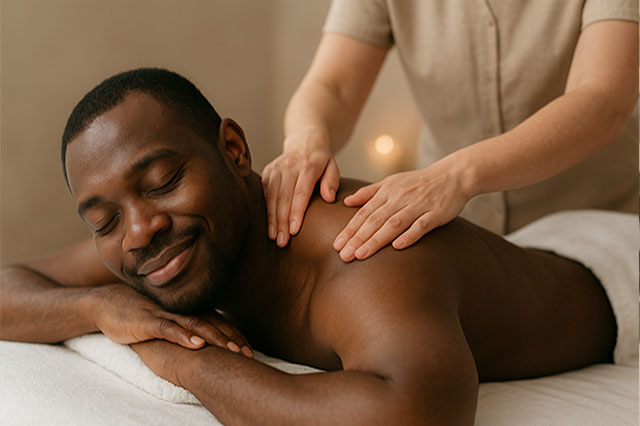
Swedish Massage is one of the most common choices for people who want to unwind without intense pressure. It uses smooth, flowing strokes, gentle kneading, and light rhythmic movements to help your muscles soften and your mind slow down. It’s often the easiest place to start if you’re new to massage because it’s calming, predictable, and easy to tailor to your comfort.
In this guide, you’ll learn what Swedish massage feels like (from the first strokes to the final minutes), what benefits people usually notice, and who it tends to suit best. You’ll also get a clear walk-through of what happens in a typical session, what you can wear, what to say to your therapist, and simple ways to prepare so you feel at ease from the moment you arrive.
If you want a quick preview of the style and why it’s so popular, this overview of relaxing massage benefits helps set the context.
What Swedish massage is (and what it is not)
Swedish Massage is the classic “relaxation massage” most people picture: smooth strokes, light to medium pressure (or firmer if you want it), and a steady pace that helps your body unclench. The main goal is simple, calm your nervous system, support circulation, and ease everyday muscle tension from work, travel, and stress.
What it is not: it’s not meant to “fix” serious injuries, diagnose pain, or force a tight muscle to release through intense pressure. If you have persistent pain, numbness, tingling, or a new sharp ache, get checked by a health professional first, then use massage as supportive care.
The classic Swedish massage techniques you may feel during a session
A Swedish session usually blends a few core strokes, like a playlist that shifts with your body’s needs. Here’s what you may notice, and why it’s used:
- Long gliding strokes: Slow, sweeping movements that feel like warm hands “ironing out” surface tension. These strokes help you settle, spread oil or lotion evenly, and encourage blood flow back toward the heart.
- Kneading: Gentle squeezing and rolling, often on shoulders, calves, and upper back. It feels like your muscles are being softly worked like dough, helping tight areas soften without the sting.
- Rhythmic tapping: Light, quick taps with fingertips or cupped hands. It can feel energizing, almost like a gentle drumbeat, and is often used to wake up tired muscles without heavy pressure.
- Friction (small circles): Focused circular movements with thumbs or fingertips. This feels more targeted, like someone is polishing a specific spot, and it’s used to warm up tight patches and improve local mobility.
- Gentle stretching: Small, controlled stretches for the neck, arms, or legs. It feels like a guided exhale for your joints, improving ease of movement without forcing range.
- Vibration: A subtle shaking or trembling motion. It can feel soothing, especially on the back and shoulders, and some people find it helps “switch off” lingering tension.
Swedish massage vs deep tissue: which one fits your needs today?
The easiest way to choose is to focus on what your body is asking for right now, not the label on the menu. Swedish Massage is usually best when you want to relax, sleep better, and ease general tightness. Deep tissue is often chosen when you want slower, stronger work in specific problem areas. If you want to compare approaches, this guide on deep tissue massage benefits and techniques explains what changes when pressure goes deeper.
Choose Swedish if… you feel run down, anxious, or “wired,” your body is sensitive to pressure, you get stress headaches, you have desk-job tightness (neck, shoulders, lower back), or you’re a first-timer who wants something predictable and calming.
Consider deep tissue if… you have stubborn “knots,” you’re sore after workouts and want focused pressure, or you’ve had long-term stiffness that needs slower, more targeted work.
No matter what you pick, communication matters more than the name. Tell your therapist what you feel, what you want to avoid, and what “too much” means for you. Pressure can be adjusted at any time.
Common myths that make people nervous about Swedish massage
- “It must hurt to work.” Not true. Swedish can be gentle or medium pressure, and it should feel relieving, not punishing.
- “I have to talk the whole time.” You don’t. Quiet is normal. Speak up only when you need to adjust pressure or comfort.
- “I can’t ask for less pressure.” You always can. A good session is tailored, not endured.
- “I need to undress fully.” You only undress to your comfort level. You’re draped with a sheet, and only the area being worked on is uncovered.
- “Oils will irritate my skin.” Many spas can use unscented lotion or reduced product if you’re sensitive. Mention allergies or acne-prone areas before the session.
- “Relaxation isn’t real therapy.” Relaxation is useful. When your body calms down, muscles often release more easily, breathing deepens, and sleep improves, all of which support recovery in everyday life.
How Swedish massage helps, from stress relief to better sleep
Swedish Massage is often described as “relaxation massage”, but the real value is what it may change in your day-to-day body feel. When your system has been running hot for weeks, it’s not just your mind that’s tired. Your shoulders stay lifted, your jaw stays tight, and your breathing turns shallow without you noticing.
A good Swedish session can feel like someone gently turning the volume down. The pressure is usually light to medium, the pace is steady, and the goal is comfort. For many people, that comfort is what helps stress ease, movement feel smoother, and sleep come easier later on.
Stress and anxiety support: what happens in your body when you relax
When you’re stressed, your body acts like it’s preparing for a problem. Muscles “guard” by tightening, your breathing gets quicker and higher in the chest, and your mind stays alert even when you want to rest. That state is useful in real danger, but it’s draining when it becomes your normal.
Swedish Massage may help you shift into the opposite mode, the one meant for rest. The long strokes and gentle kneading can encourage calmer breathing, which often tells your body it’s safe to soften. As the session goes on, many people notice their shoulders drop without trying. Their hands unclench. Their forehead relaxes. It can feel like you’re finally “switching off” after being switched on all day.
If you carry anxiety, this matters because relaxation isn’t only mental. It’s physical. When muscle guarding lowers, your whole body can feel less on edge. You may leave feeling quieter inside, not euphoric, just steadier.
Easing tight shoulders, back stiffness, and desk-job tension
Desk-job tension tends to collect in predictable places: the neck, the tops of the shoulders, between the shoulder blades, the lower back, and often the hips (especially if you sit for long stretches). Many people also feel heaviness in the calves and stiffness around the ankles, from commuting or standing all day.
Swedish Massage works these areas with slow, warming strokes and gentle kneading. Think of it like warming butter before you spread it. When tissues are cold and tense, they resist. When they’re warm and cared for, they often soften and move more easily. You might notice it when you turn your head, sit up straighter, or walk out feeling less “stuck” in your lower back.
A simple way to make the effects last longer is to pair your session with small habits:
- Take 60-second stretch breaks during the week (neck turns, shoulder rolls, standing hip stretch).
- Change position often at your desk, even if posture is not perfect.
- Keep your pressure preferences clear, because comfort helps muscles release faster.
Why many people sleep better after Swedish massage
Sleep gets harder when your body feels busy. Tight muscles, a buzzing mind, and shallow breathing can make bedtime feel like a second shift. After Swedish Massage, people often report that it’s easier to settle down, not because massage “knocks you out”, but because your system may feel calmer and less guarded.
Reduced tension can also mean fewer little signals that pull you awake, like an aching neck, a tight jaw, or a lower back that won’t find a comfortable position. When your body feels safer and softer, falling asleep may take less effort.
For the night of your massage, keep aftercare simple so you don’t undo that calm:
- Eat a light meal later, not a heavy one.
- Take a warm shower if it feels soothing.
- Skip heavy workouts that night (save them for the next day).
- Go to bed a little earlier and keep screens low.
Also, drink water and give yourself extra rest. Hydration and downtime may help you feel better the next morning, especially if you tend to feel a bit sleepy after a session.
Circulation and that “lighter body” feeling after a session
Many people describe a “lighter” feeling after Swedish Massage, especially in the legs and feet. Part of that comes from the physical warmth and rhythmic strokes, which may support healthy circulation and help your body feel less heavy after long hours of sitting or standing.
It’s not a medical fix, and it won’t replace movement, but it can be a helpful nudge. When blood flow and fluid movement feel supported, your muscles may feel less puffy and more comfortable. Shoes might feel a touch less tight. Steps can feel smoother. Even your hands may feel warmer.
If your legs usually feel heavy, try a short, easy walk after your session. For some people, 10 to 15 minutes of gentle movement helps extend that loose, refreshed feeling. If you want a more active style on another day, you can also compare it with Thai massage for stress relief, which uses stretching and guided movement instead of oil-based strokes.
What a Swedish massage session is like, step by step
If you’ve never had a Swedish Massage before, the unknown parts can feel bigger than the massage itself. What do you say? What do you wear? Will it hurt? A good session is simple, respectful, and predictable. From booking to the last few minutes on the table, you should feel in control the whole time.
Most Nairobi spas follow a similar flow: you book, arrive a bit early, answer a few health questions, then you’re shown to a private room with calm lighting and soft music. Your therapist checks comfort and pressure often, uses oil or lotion to reduce friction, and works through common tension zones like the back, neck, shoulders, arms, legs, and feet. If you want to see the range of options (including relaxation styles), you can scan the massage services in Nairobi before you choose your slot.
Before you get on the table: quick questions a therapist may ask
This part is brief, but it matters. Think of it like setting directions before a trip. Your therapist is trying to learn what’s safe, what’s sensitive, and what you want from the hour.
Expect questions like:
- Allergies and skin reactions: Any sensitivity to oils, lotions, or scents? If you’re not sure, say so. Many places can use a lighter product or keep it unscented.
- Injuries or pain areas: Recent sprains, back pain, neck pain, or nerve issues like tingling. This helps them avoid making a problem worse.
- Pregnancy: If you’re pregnant or think you might be, say it upfront. Positioning and pressure may need changes.
- Recent surgeries or medical care: Even if you feel “fine,” healing tissue can be delicate.
- Areas to avoid: Some people don’t want their abdomen touched, or they prefer no glute work. It’s normal to set boundaries.
- Pressure preference: Light, medium, or firm? If you don’t know, it’s okay to say, “I don’t know.” A skilled therapist can start gentle and adjust.
- Your goal today: Do you want deep relaxation, or do you want tension relief in a specific area like shoulders or lower back? Your answer changes how they pace the session.
If you’re nervous, tell them. A calm therapist will slow down the start, check in more often, and keep the session steady.
During the massage: communication, pressure, and comfort signals
Once you’re on the table, your job is easy: breathe, relax, and speak up when you need something changed. Swedish Massage should feel soothing and relieving, not like you’re “toughing it out.” Pain is not required for results.
Simple phrases help you guide the session without overthinking:
- “Lighter, please.”
- “A bit more pressure.”
- “Avoid that spot.”
- “Please focus on my shoulders.”
- “Can we keep talking minimal?”
A good therapist will also watch for body signals, like you tensing your legs, holding your breath, or clenching your hands. They may ask, “How’s the pressure?” more than once, especially when moving to sensitive areas like the neck, calves, and lower back.
Some reactions are completely normal, even if they surprise you:
- Sighing or deeper breathing as your body lets go
- Stomach noises because relaxation can wake up digestion
- Feeling emotional for a moment (stress can sit in the body for a long time)
- Falling asleep or drifting in and out
You’re not “being weird.” You’re just relaxing. If anything feels off, say it early, not at the end.
How draping works and what you should wear (so you feel safe and respected)
Draping is there to protect your privacy. You’ll be covered with a clean sheet or towel, and only the area being worked on is uncovered. When the therapist moves to a new area, they re-cover what’s done and uncover the next section. It should feel tidy and respectful the entire time.
What you wear is your choice:
- You can keep your underwear on if that feels best.
- Some people remove it for lower-back or hip work, but it’s never required.
- If you prefer more coverage, say so before the session starts.
If the room feels cold, ask for what you need. “Can I get an extra towel?” or “Can I have a warmer blanket?” is a normal request. Comfort helps your muscles release. If you’re shivering or tense, your body can’t settle.
Lighting and music are also adjustable. If the room feels too bright, or the music distracts you, it’s fine to ask for a change.
After the session: what you might feel in the next 24 hours
Right after a Swedish Massage, many people feel deep calm, like their body finally exhaled. Others feel light and alert, especially if they came in tired and tight. Both are normal.
In the next day, you might notice:
- Sleepiness or a great night’s sleep
- Mild tenderness, similar to post-stretch soreness (not sharp pain)
- Thirst
- Needing the toilet sooner than usual
- A little burst of energy later on
Keep aftercare simple so the benefits last:
- Drink water, then sip more later.
- Eat light if your stomach feels sensitive.
- Avoid heavy lifting or intense workouts for the rest of the day if you can.
- Take a warm shower if it helps you stay loose.
Seek help if something feels wrong, not just uncomfortable. Sharp pain, unusual swelling, or dizziness that doesn’t pass isn’t a normal “massage effect.” Listening to your body is part of good self-care, just like the massage itself.
How to choose the right Swedish massage for you
The “right” Swedish Massage is the one that matches your time, your comfort, and what your body is asking for today. A good session should feel planned, not random. When you choose the length, pressure, and a simple focus area, you get a massage that actually fits you.
If you’re new, keep it simple: start with a full-body session, choose relaxation pressure, then adjust after you learn what your body likes. If you get massages often, you can be more specific, like “full body, but spend extra time on my neck and lower back.”
Choosing a session length: 60 vs 90 minutes (and when 30 minutes makes sense)
Think of session length like a budget for attention. The shorter it is, the more you need to decide what matters most.
A 30-minute Swedish Massage works best when you want one clear target. It’s ideal for a single area like neck and shoulders, lower back, or legs and feet. It’s also a smart choice if you’re short on time but want relief before travel or after a long week. What it can’t do is cover full body without feeling rushed.
A 60-minute session is the most balanced option for most people. It can cover a basic full-body flow (back, legs, arms, neck, sometimes feet), with enough time to settle into the rhythm. If it’s your first time, 60 minutes is usually the easiest “yes” because you get the full experience without overthinking it.
A 90-minute session gives you breathing room. You can still get a full-body massage, plus extra time on problem areas like tight shoulders, a stiff lower back, or hips that feel locked from sitting. It’s the better pick when you want deeper relaxation, you carry stress in a few spots, or you know you’ll ask for a mix of light and medium pressure.
Simple first-timer recommendation: book 60 minutes, ask for full body, and request extra attention on your top two tight areas.
Picking your pressure level without guessing
Pressure shouldn’t be a mystery, it should be a clear conversation. A simple 1 to 10 scale helps you and your therapist stay on the same page.
- 1 to 3: very light, calming touch, good for sensitive bodies or high stress days.
- 4 to 6: relaxation pressure, you feel steady contact and muscle warming, but you can still breathe easily and your body stays soft.
- 7 to 8: firm, more intense, still controlled. You may feel “good pain,” but it should never make you tense up.
- 9 to 10: too much for most Swedish Massage sessions, this often turns into bracing and holding your breath.
If you’re unsure, start around a 4 or 5, then adjust after a few minutes. A useful rule is: if you catch yourself tightening your jaw or shoulders, the pressure is too high.
Also, pressure can change by area. Many people like lighter pressure on arms and calves, and medium pressure on upper back and shoulders. It’s normal to mix levels in the same session.
Add-ons that pair well with Swedish massage (and who should skip them)
Add-ons should support comfort, not distract from it. If you’re already overwhelmed, keep it minimal.
Aromatherapy can make a Swedish Massage feel more soothing, but skip it if you have asthma, migraines triggered by scent, or strong fragrance sensitivity. If you want it, ask for a light application or a milder scent.
Hot towels feel great on the back, feet, or shoulders, but avoid extra heat if you’re heat sensitive, prone to dizziness, or have skin that flushes easily. Always speak up if it feels too hot.
A scalp focus is excellent when stress shows up as headaches or jaw tension. Skip it if you have a sensitive scalp, recent braids that feel tight, or any scalp irritation.
A foot focus pairs well with long days of standing or walking. Mention ticklishness or any sore spots so the therapist can adjust.
Gentle stretching can help you feel looser after, but it should be slow and controlled. Skip stretching if you have an acute injury, sharp pain, or limited range from a recent strain.
Finding a trusted spa or therapist: simple signs of quality
You should feel safe, clean, and listened to, before the first stroke. Use this quick quality check when choosing where to book:
- The space looks and smells clean, with fresh linens and tidy rooms.
- Pricing is clear upfront, with no surprise charges.
- There’s a short intake (health questions, injuries, areas to avoid).
- The therapist respects boundaries and explains draping, comfort, and how to speak up.
- Communication stays easy, pressure checks happen naturally, and “no” is accepted.
- Draping is consistent and professional, only the area worked on is uncovered.
- There’s no pressure to upgrade or add extras mid-session.
Reviews help too, especially comments about cleanliness, professionalism, and how therapists handle pressure requests. Location matters more than people admit. If it’s easy to get to, you’re more likely to go regularly.
Consistency beats rare “perfect” sessions. Even once a month can help some people stay looser, sleep better, and feel less wound up between busy weeks.
Who should be careful with Swedish massage, and when to get medical advice first
Swedish Massage is gentle for many people, and it’s often a safe choice when you want to relax and ease everyday tension. Still, your body has times when it needs rest or medical care first, not hands-on work. A good rule is simple: if you’re unsure, say so on the intake form and talk it through before the session starts. Honest details help your therapist adjust, or recommend waiting.
Situations where you should wait or ask a doctor first
If you have a minor ache from work stress, Swedish Massage can feel soothing. If you’re dealing with illness, healing, or symptoms you can’t explain, it’s smarter to pause and get guidance first.
Consider waiting, or getting medical advice, if any of these apply:
- Fever or active infection: Your body is already fighting something. Massage can feel uncomfortable and may worsen fatigue.
- Contagious skin conditions (like scabies, ringworm, or weeping rashes): Protect your health and others by treating it first.
- Open wounds, burns, or broken skin: Lotion and friction can irritate skin and raise infection risk.
- Recent surgery: Healing tissue can be fragile, even when you feel “okay.” Ask your doctor when massage is safe, and tell your therapist what procedure you had.
- History of blood clots (DVT) or clotting disorders: Massage is not the time to guess. Get clearance first.
- Severe varicose veins: Light touch may be fine, but targeted work over bulging veins can be risky. Ask for those areas to be avoided.
- Uncontrolled high blood pressure: If readings are high or you feel unwell, get it checked and stabilized first.
- Severe swelling (especially one-sided swelling in a leg or arm): This needs medical attention before booking a massage.
- Unexplained pain (sharp, new, worsening, or paired with numbness or tingling): Get assessed before you treat it as “just tension.”
- Early pregnancy concerns: If you might be pregnant, say it upfront. Positioning and pressure matter, and professional guidance is best.
If your therapist hears something that doesn’t sound safe, they should respect that and suggest you reschedule.
How to handle sensitive skin, allergies, and modesty needs
Comfort is not a luxury, it’s part of a good Swedish Massage. If your skin reacts easily, or you’re scent sensitive, speak up before the lotion goes on.
Simple options that help:
- Ask for unscented lotion or minimal product.
- Request a quick patch test on a small area first.
- Tell them what to avoid (for example, nut-based oils or strong essential oils).
- If you’re acne-prone, ask them to avoid oily products on breakout areas.
Modesty is also your choice. You can ask for extra towels, keep your underwear on, or request that certain areas not be worked on. You can also choose a therapist you feel comfortable with. Most important, consent is always allowed and respected; you can change your mind at any time, even mid-session.
Conclusion
Swedish Massage works because it keeps things simple. It’s gentle, popular, and easy to tailor, so your body can relax without bracing for pain. Most people notice the biggest wins in everyday life, softer shoulders, an easier neck, calmer breathing, and better sleep after a session. When you know what to expect (draping, pressure checks, and how to speak up), the first visit feels less like a mystery and more like basic self-care you can actually enjoy.
Results also improve when you choose a session that fits your day and your body. A focused 30 minutes can reset one problem area, 60 minutes gives a full-body flow, and 90 minutes adds time for the spots that always hold stress. Keep pressure in the comfort zone so your muscles can release, and remember communication is part of the treatment, not an interruption. Safety matters too, if you’re unwell, healing, or unsure about symptoms, get advice first and share your concerns before the massage starts.
Book when you’re ready, ask questions, and start with a session length you can commit to.